
Part 1: Critical communicative repertoire awareness ("CCRA")
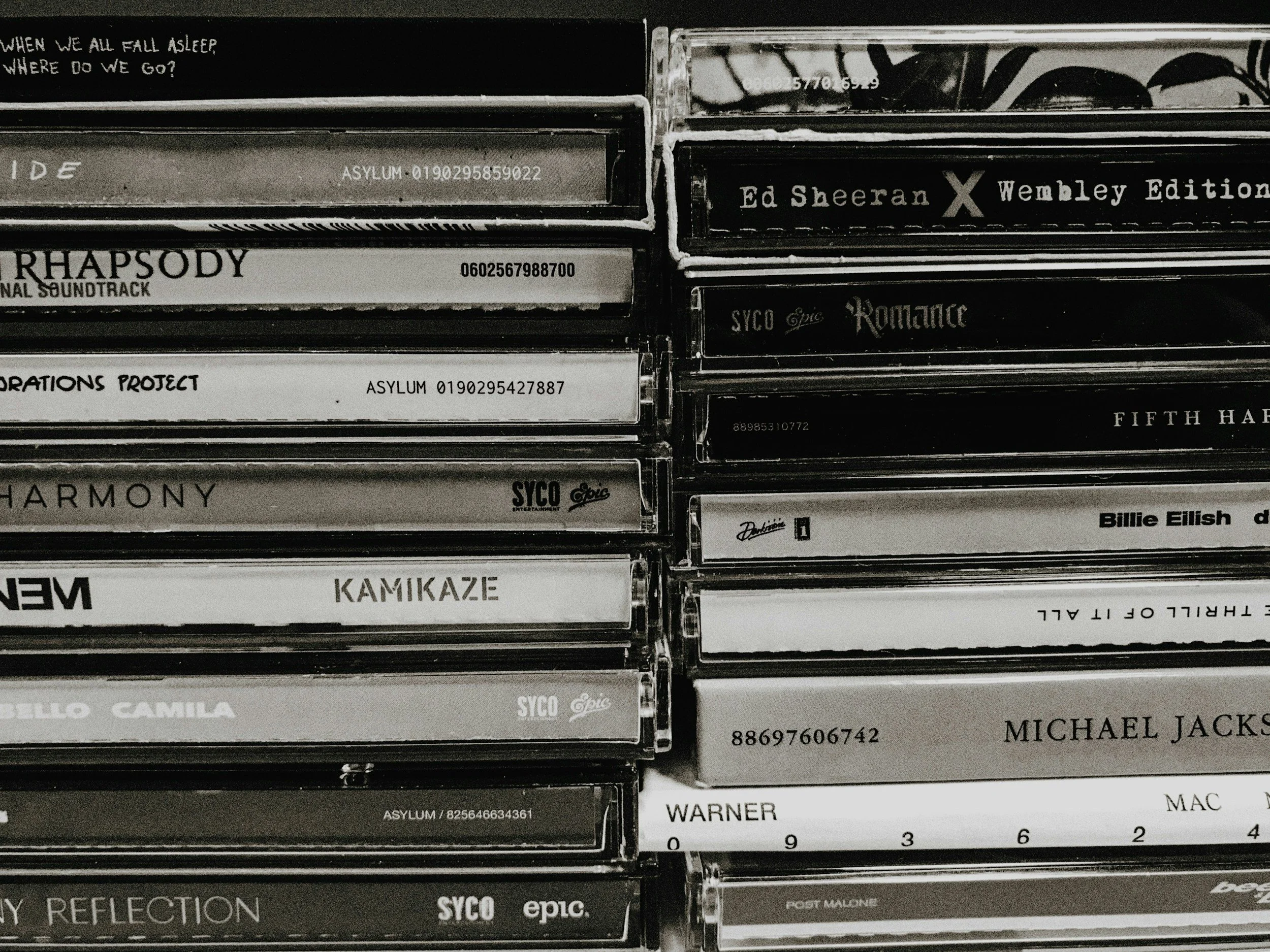

We all have a communicative repertoire, even if we consider ourselves monolingual!
In sociolinguistics, the concept of repertoire is fundamental*. The concept of communicative repertoire, specifically, was developed by the American educational linguist Betsy Rymes. As Prof. Rymes explains in this video, just as a pianist may have classical, jazz, and country music in their musical repertoire, every speaker** has different ways of speaking in their communicative repertoire.
In other words, even those who speak only one language have, like a pianist who perhaps plays only the piano, different modes of expression in their repertoire. Just as a musician who plays only the piano can play country, jazz, and classical music, monolingual people can also use different accents, dialects, registers, and styles of language.
Furthermore, just as a musician can play several musical instruments, a speaker can also know several languages.
And that’s not all: the ways we dress, style our hair, apply makeup, and use body language are also part of our communicative repertoire. These elements offer us a fully communicative perspective, not just a linguistic one.
Developing“CCRC”— critical awareness of one’s communicative repertoire (including languages, forms of expression, and other modes of communication)—is no simple task. Let’s explore together how to begin developing it.
*For more information, click on the links in the “Further Reading” section.
**The term “speaker” refers not only to those who communicate using their voice, but also to those who use, for example, sign language and/or written words.
Is everything clear? Let’s do a quiz.
-
FALSE!
Our communicative repertoire may also include other languages, but it primarily refers to the diversity of ways in which all of us (yes, even those who speak only one language) adapt our manner of expression depending on the person we’re talking to, the context, and a variety of other reasons. -
1. "small-L" language (e.g., accents, registers, technical language)
2. "big-L" Language (e.g., Italian, English, Chinese)
3. non-linguistic modes of expression (e.g., clothing, makeup, body language)
Here are some simple activities to do in class to explore the communicative repertoire:
-
Rymes, B. (2010). Communicative Repertoires and English Language Learners. In M. Shatz & L. C. Wilkinson (Eds.), The Education of English Language Learners: Research to Practice (1 edition, pp. 177–197). The Guilford Press.
———
Gumperz, J. J. (1964). Linguistic and social interaction in two communities. American Anthropologist, 66(6, Part 2), 137–153.
Blommaert, J., & Backus, A. (2013). Superdiverse repertoires and the individual. In I. de Saint-Georges & J.-J. Weber (Eds.), Multilingualism and multimodality: Current challenges for educational studies (pp. 11–32). Sense Publishers.
Busch, B. (2012). The linguistic repertoire revisited. Applied Linguistics, 33(5), 503–523. https://doi.org/10.1093/applin/ams056
See also the following works in Italian which use the concept of repertoire:
Branchini, C., & Cardinaletti, A. (Eds.). (2016). La lingua dei segni nelle disabilità comunicative (p. 42). FrancoAngeli.Facciani, C. (2021). Pratiche di translanguaging e repertori comunicativi in contesti scolastici superdiversi (Doctoral dissertation, Alma Mater Studiorum – Università di Bologna). AMS Dottorato. AMS Dottorato PDF